
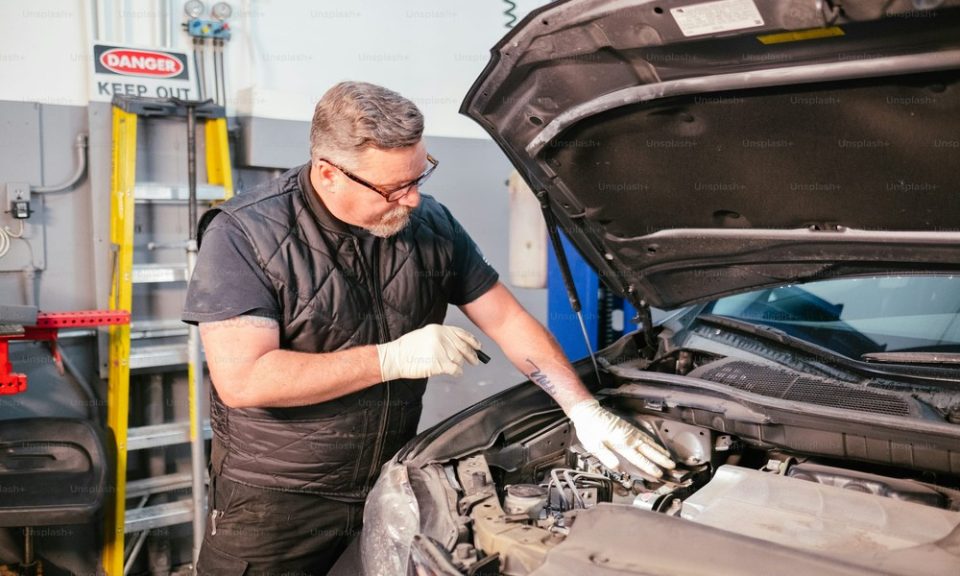
A fresh engine represents a significant financial investment for any vehicle owner. You expect peak performance from a newly rebuilt power plant. However, many people ignore the small rubber components during this process. These humble hoses carry vital coolant throughout the entire system. Neglecting them can lead to catastrophic failure very quickly. Now, a professional Triangle European always emphasizes total system integrity. You must understand how heat affects these rubber parts over time.
Old hoses become brittle and lose their structural flexibility. New engines generate specific thermal loads during the initial break-in period. This article explores why replacing these hoses is absolutely mandatory for longevity.
The Impact of Thermal Cycling on Rubber Integrity
Engine heat gradually destroys the chemical bonds within rubber heater hoses. These parts endure thousands of heating and cooling cycles over years. The rubber eventually develops tiny internal cracks that you cannot see. Sometimes, the hose looks perfectly fine on the exterior surface.
But the interior walls may be crumbling into the cooling system. This degradation occurs because of constant exposure to boiling fluids and pressure. A reliable Triangle European knows that old hoses often fail under new pressure. The fresh gaskets in a rebuilt engine create a tighter seal. This increased pressure puts immense strain on every aged cooling component. You should never risk a pristine engine on a five-year-old hose.
Preventing Contamination Within the Newly Rebuilt Block
Old hoses often harbor significant deposits of scale and metallic rust. These contaminants accumulate inside the rubber walls during years of operation. When you install a clean engine, these particles begin to circulate. The flowing coolant washes old debris directly into your new radiator. This process can clog the narrow passages of the heater core. Now, the cooling efficiency drops as the debris restricts the fluid flow. You might experience hot spots within the cylinder head due to blockages.
A quality European Auto Repair in Raleigh, NC ensures every fluid path remains perfectly clear. Replacing the hoses prevents this cross-contamination from ruining your expensive mechanical work. You want your cooling system to be as clean as the pistons.
Ensuring Proper Sealing at the New Connection Points
Old hoses take a permanent set around the original metal fittings. The rubber molds itself into a specific shape over many years. When you remove them, the ends rarely seal perfectly on new parts. Sometimes, the hose clamps cannot compress the hardened rubber sufficiently anymore.
This leads to slow drips that are very difficult to locate. These small leaks can air-lock the system and cause cooling bubbles. Air pockets prevent the water pump from moving fluid through the block. You might notice the temperature gauge rising during idle at stoplights. New hoses are soft and conform perfectly to every metal surface. They create a gastight seal that maintains the vacuum of the system.
