
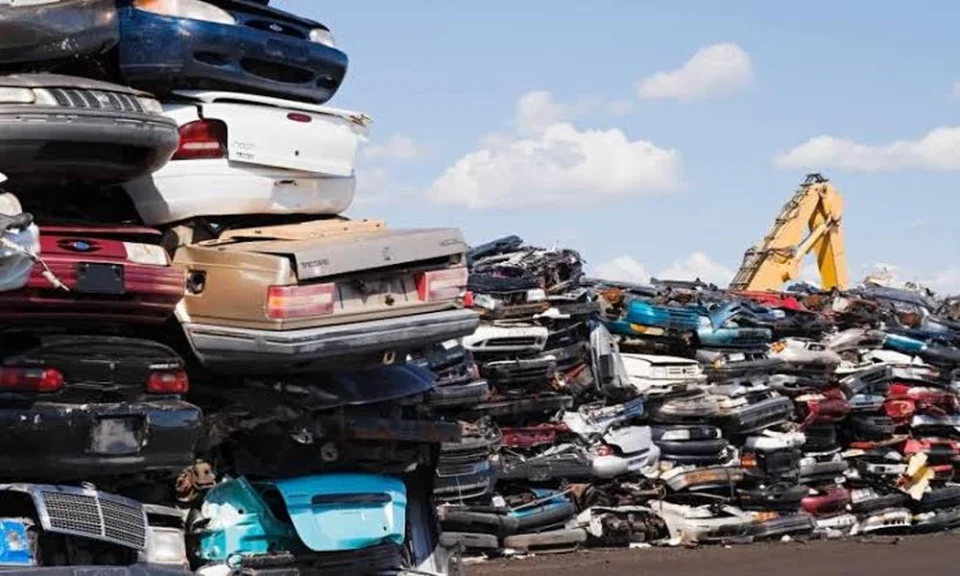
The scrapping process in Singapore looks bureaucratic from the outside, but most of it runs in a set order that rarely changes. Owners who know that order in advance can prepare documents early, avoid delays and spot when something has been skipped. This guide walks through the singapore scrap car process step by step, explaining which documents matter at each stage and who is responsible for filing them, so the handover becomes routine rather than stressful.
Why the Process Is Regulated
Every car on Singapore’s roads is tied to a COE and a registration record held by LTA. Deregistration closes that record, triggers any rebates due and ends the owner’s legal responsibility for the vehicle. Because rebates and liability are involved, the process can only be completed through authorised channels. That structure protects owners, but only if each step is actually completed and recorded.
Step One: Decide on Scrapping or Export
The first decision is whether the car will be scrapped locally or exported. Both end the registration, and both can qualify for rebates, but they are handled differently. For most cars at the end of their COE, local scrapping is the simpler path. Confirm which route the buyer intends to use, since it affects the timeline and the documents involved.
Step Two: Gather the Required Documents
Before the buyer can file anything, they will need a set of details from you. Prepare the following in advance:
- Identification of the registered owner, or company documents for a business vehicle
- The vehicle registration details
- A loan redemption letter if the car is under hire purchase
- Bank account details for the payout
- Consent from the registered owner if you are acting on their behalf
Step Three: Agree the Quote and Collection
With documents ready, the buyer confirms the quote and books collection. The written agreement should list the rebates, salvage value, any charges and the planned collection date. If a loan is involved, it should state how the outstanding balance will be settled. Keep a copy of this agreement, since it is the reference point if anything changes later.
Step Four: Handover and Removal
On collection day the vehicle is inspected and towed or driven to the yard. Remove all personal items beforehand and take photographs of the car and its odometer. If the onboard unit is to be removed, confirm who will do it. The handover form you sign at this stage should note the date and time the car left your possession.
Step Five: Deregistration Filing
The authorised operator submits the deregistration to LTA. In a properly handled singapore scrap car transaction, this happens promptly after collection and you receive confirmation once it is accepted. Rebates are then calculated from the official record. If the car was under a loan, the rebates are paid to the finance company first, with any balance passed to you.
Step Six: Payment and Refunds
- The scrap price agreed with the buyer
- PARF and COE rebates, net of any loan settlement
- A refund of unused road tax
- A pro rata refund of insurance premium, if your insurer offers one
Checking each one as it arrives ensures nothing is missed.
What Changes for Company Vehicles
Cars registered to a business follow the same steps, but the documents differ. The buyer will usually ask for the company’s registration details and authorisation from a director or another person able to act for the company. Rebates are paid to the company rather than to an individual, and any outstanding loan is settled from them first, as with private cars. Businesses retiring several vehicles at once should check whether the buyer can handle them together, since batching collections and filings saves time and keeps the records tidy for the company’s accounts.
Step Seven: Close the Loose Ends
Cancel insurance, season parking and any toll or service accounts linked to the plate. Keep the deregistration confirmation with the signed quote and handover form. These records show the date your responsibility ended, which matters if any offence or charge involving the vehicle appears afterwards.
Scrapping a Car That Cannot Be Driven
A car that has broken down, failed inspection or been damaged in an accident can still be scrapped through the same process. The main differences are collection and pricing. The buyer will need to tow the vehicle, so confirm whether towing is included and whether access at the location is straightforward, such as a basement car park with a low ceiling. The rebates are unaffected by the car’s mechanical state, but the salvage figure may be lower, so make sure the dealer has an accurate description before quoting.
Common Delays and How to Avoid Them
Most delays come from missing loan letters, absent owner consent or a collection date booked too close to the COE expiry. Preparing documents early and allowing a margin of a week or two prevents almost all of them. Working with a provider offering a clear vehicle deregistration service and a written timeline is the simplest way to keep the process on schedule from start to finish.
