
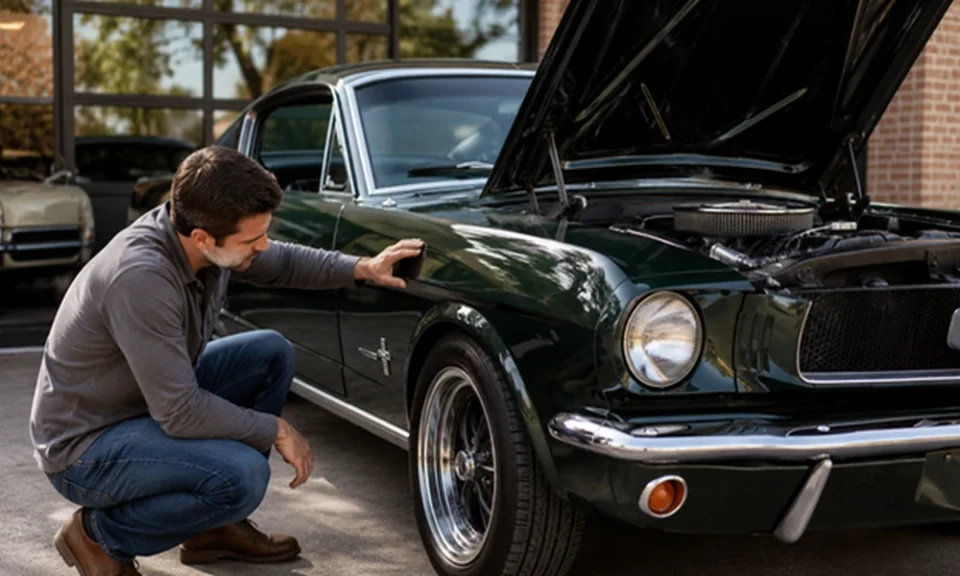
Buying a classic car is rarely as simple as finding a model you like and agreeing on a price. Older vehicles come with histories, mechanical quirks, ownership records, restoration work, and purchasing considerations that can make two seemingly similar cars very different propositions.
Whether you are looking for a weekend cruiser, a long-term project, or a carefully preserved collector car, doing some homework before committing can prevent expensive surprises. Here are seven areas worth examining before making your purchase.
1. Understand Exactly What You Are Buying
Start by identifying the car as precisely as possible. Model year, trim, engine, transmission, factory equipment, modifications, and restoration history can all affect how you evaluate the vehicle.
Do not rely solely on the seller’s description. Review available records and compare identifying information on the vehicle with the paperwork provided.
This is particularly important with cars that have been restored or modified over several decades. A beautiful appearance does not necessarily tell you how closely the vehicle matches its original specification-or whether originality matters for the way you intend to own and enjoy it.
2. Inspect the Car Beyond Its Paintwork
Fresh paint and a detailed engine bay can make an immediate impression, but condition should be evaluated more broadly.
Look for corrosion, previous accident repairs, fluid leaks, aging rubber components, electrical issues, uneven panel fit, and signs of rushed restoration work. Pay attention to areas that are difficult or expensive to repair rather than focusing only on cosmetic imperfections.
For a substantial purchase, an independent inspection by someone familiar with the model or vehicle era can provide useful perspective. The objective is not necessarily to find a flawless car. It is to understand what you are buying and what may need attention after the sale.
3. Review the Documentation and Ownership History
Documentation can reveal almost as much as the car itself.
Maintenance invoices, restoration photographs, parts receipts, ownership records, manuals, and other historical material may help establish how the vehicle has been maintained and modified over time. Ask questions when there are unexplained gaps or conflicting information.
Title documentation deserves particular attention. Before money changes hands, make sure you understand who legally owns the vehicle, whether the title information corresponds with the car, and what paperwork will be required to complete the transaction in your jurisdiction.
4. Plan the Purchase, Not Just the Price
The agreed purchase price is only one part of the transaction. Buyers may also need to account for transportation, registration, taxes, insurance, inspections, immediate repairs, storage, and other ownership expenses.
How you plan to pay for the vehicle also deserves consideration before negotiations become serious. Someone financing an old car may find that lending for a collector vehicle differs from the process used for an ordinary late-model daily driver, so understanding available financing structures in advance can help establish a realistic purchasing budget.
The important figure is not simply what you can pay for the car today. It is what you can comfortably commit to while leaving room for the expenses that can accompany ownership.
5. Consider Where You Are Buying the Car
A dealership, private sale, and auction can create very different buying experiences.
A dealer may have established paperwork procedures and more experience coordinating a transaction. A private seller may be able to provide years of firsthand history about the car, but the buyer may need to handle more of the administrative process.
Auctions introduce another dynamic. Decisions may need to be made quickly, so researching the vehicle, establishing a maximum budget, and understanding payment requirements beforehand becomes especially important.
Regardless of where you buy, avoid allowing the excitement of the setting to replace normal due diligence.
6. Research Parts and Maintenance Before You Need Them
Owning an older vehicle becomes much easier when you understand the support network surrounding it.
Before purchasing, investigate whether routine service parts are readily available and whether specialists near you understand the model. For less common vehicles, determine whether important components must be rebuilt, sourced secondhand, or ordered from specialty suppliers.
You do not need to predict every repair. The goal is to understand whether maintaining the vehicle fits your expectations, mechanical ability, location, and budget.
A car that is inexpensive to purchase can become frustrating if every minor repair requires a lengthy search for parts or specialist knowledge.
7. Decide What Kind of Ownership Experience You Want
The “best” classic car depends heavily on what you intend to do with it.
A buyer seeking a highly original collector vehicle may prioritize documentation, factory specifications, and preservation. Someone who plans to drive regularly may care more about reliability, serviceability, comfort, or thoughtfully executed upgrades.
A project car can be rewarding for someone who enjoys restoration work, but it may be a poor choice for a buyer who wants something ready for weekend drives immediately.
Defining your goal before shopping makes it easier to evaluate compromises objectively. Instead of asking whether a car is universally good or bad, ask whether its condition, history, price, and needs fit the ownership experience you actually want.
Conclusion
Classic-car buying rewards preparation. A compelling model and attractive asking price are only the beginning; condition, documentation, maintenance requirements, transaction logistics, financing, and your intended use all influence whether a purchase makes sense.
Taking time to investigate those factors before committing does not remove the excitement from buying an older car. It helps ensure that the excitement continues after the vehicle is in your garage.
