
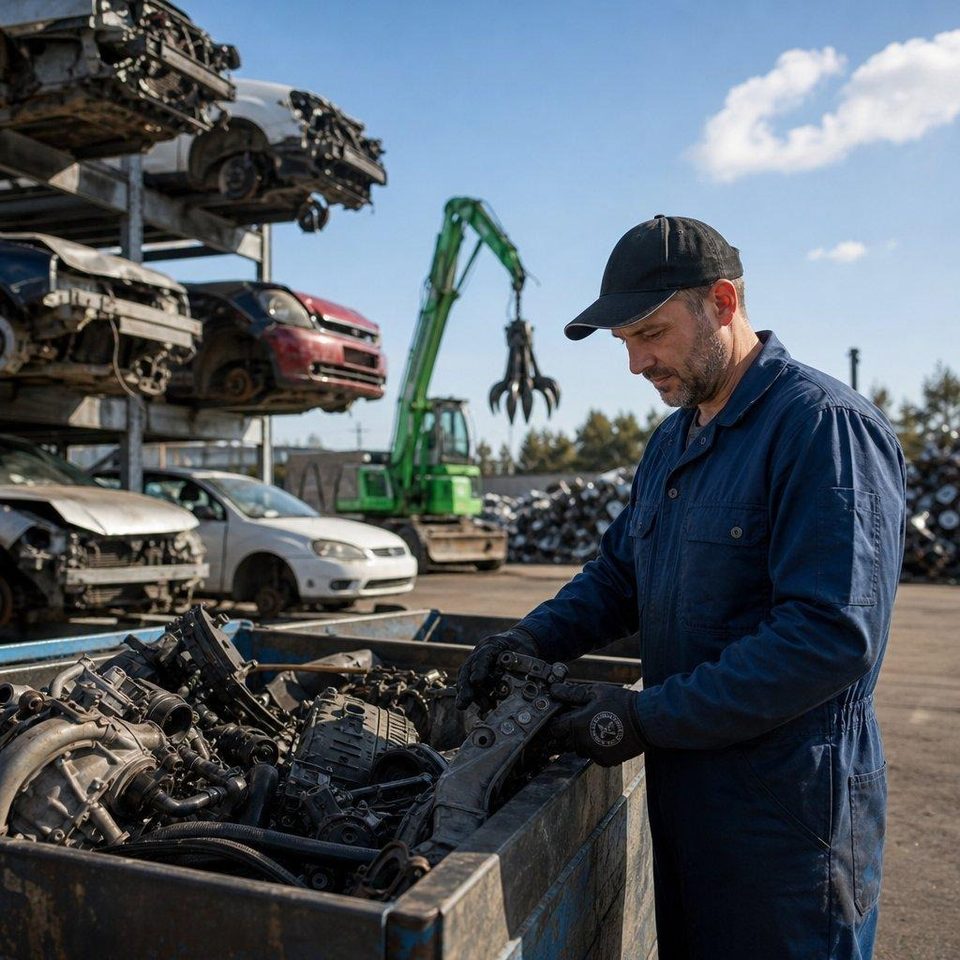
Auto recycling can be beneficial to you and the environment alike. An old vehicle doesn’t always seem worth anything but junk, yet there may still be some money to be made. Even if you don’t intend on selling your vehicle to an auto recycler, knowing what the auto recycling process entails may prove helpful when you’re ready to get rid of a car you no longer want.
In this post, we’ll discuss the steps involved in the auto recycling process. We’ll also review what you can do to prepare your vehicle for recycling. Keep reading to learn more about how to recycle an old car.
How Auto Recycling Works
During the auto recycling process, a vehicle is stripped of usable parts. Workers may first take apart and sort the vehicle before beginning the process. This step ensures the vehicle doesn’t need to be crushed prior to removing its parts.
Next, the auto recycler will drain the vehicle of its fluids. Oil, gas, antifreeze, transmission fluid, and other fluids should be removed from the vehicle and properly disposed of. Afterward, batteries and tires should be removed as well. All of these items may be recycled, upcycled, or sent to a landfill, which is explained well at https://www.datatopics.worldbank.org/what-a-waste, depending on the type of component.
The recycler may then take out any reusable parts from the vehicle. Parts that are commonly salvaged during the auto recycling process include:
- Engines
- Transmissions
- Alternators
- Starting systems
- Doors
- Side mirrors
- Exterior panels
- Wheels
- Tire assemblies
- Tail lights
- Headlights
- Switches
- Dashboard components
After all usable parts have been removed, the remainder of the vehicle may be broken down for raw materials. Any metal that can be separated may be sent to a smelter for reprocessing.
Are Recycled Auto Parts Worth It?
Salvaged parts can be an economical choice for vehicle owners. When a vehicle is out of production, you may not be able to find new parts for it. If you’re willing to buy used parts, you can save money when replacing a part on an older car.
Also, buying a recycled part may be better for the environment. Rather than manufacturing a new component (more info here), the existing part is put to use once more.
When buying recycled auto parts, however, it’s important to know what you’re getting. Always check to make sure the parts will fit your car before purchasing them. Also, ask the seller how the component has been tested. The year, make, model, engine size, trim level, and build location may all affect which parts will work in your car.
Preparing Your Car for Recycling
The less time a vehicle spends in transit, the quicker you’ll receive your money. You can make the process go faster by taking the time to prepare the car ahead of time. Start by removing all of your belongings from the car. You should empty the trunk, backseat, glove box, rear bench, and any storage compartments. Search behind and under seats and door pockets for loose change or receipts that might be hiding there.
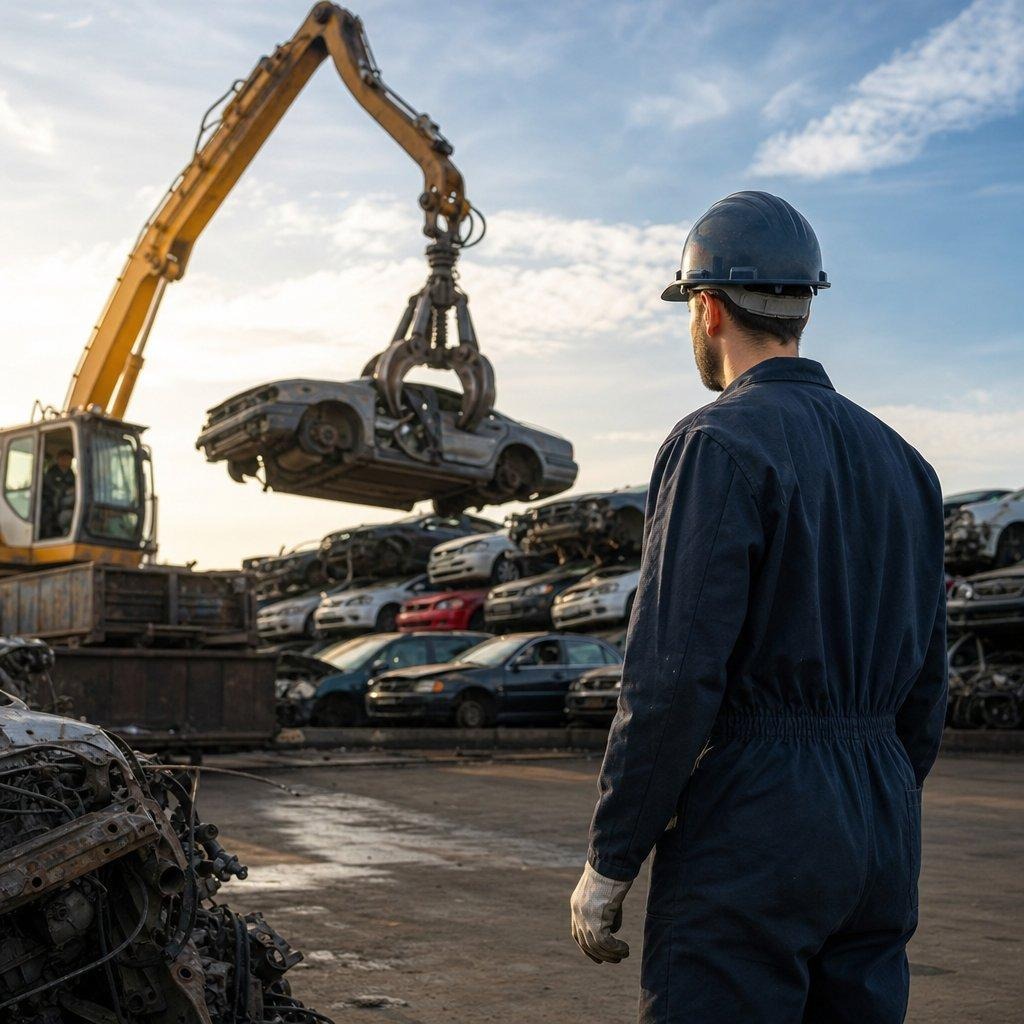
Next, make sure you’ve got all of the necessary paperwork to transfer or release the vehicle. This paperwork varies by state, so be sure to check what you need beforehand. In addition to preparing the paperwork, there are a few other things you may want to do before sending your car to Al’s Auto Recycling.
- Remove license plates when it’s appropriate to do so.
- Call your insurance company to let them know you’ve sold your car.
- Find out if the car will be picked up or if you’ll need to transport it.
- Tell the buyer about the car’s current condition.
- Figure out when and how you’ll be paid.
Also, be sure not to remove valuable parts before getting an estimate, unless you inform the buyer of the missing components. An engine, wheels, battery, or catalytic converter may significantly increase the price you get for your vehicle.
What Affects Car Recycling Prices?
The price you receive for your car may depend on its weight, the condition of its parts, and how popular those parts are. The cost of the raw materials used to manufacture new components may also play a role in the price of used parts. Keep in mind that a car that won’t start may still have parts worth something. A vehicle that runs may not necessarily be worth more to an auto recycler if nobody needs its parts.
It’s wise to find out before you agree to sell your vehicle whether any towing, documentation, or processing fees will be subtracted from the amount you’re paid. Knowing the full cost of your transaction may help you determine if your offer is fair.
Final Thoughts on Auto Recycling
When you send your vehicle to an auto recycler, you’re providing it with a second life. The recyclable materials from your car may be melted down and used to manufacture new components. Additionally, any reusable parts you sell could be used to repair another vehicle. By getting your paperwork in order, cleaning out your vehicle, and asking questions, you’ll be better equipped to handle the auto recycling process. With a clean car, proper documentation, and a fair offer, you can sell your vehicle with peace of mind.
